Can You Film Police in Columbus

Updated: Apr 24
A common belief is that filming police is either completely illegal or completely protected. In real life, both assumptions miss the point. The legality of recording police in Columbus depends less on the act of filming and more on how it is done.
The real question is not whether you are allowed to hold up your phone. The real question is whether your conduct crosses the line into interference.
That distinction is where most problems begin.
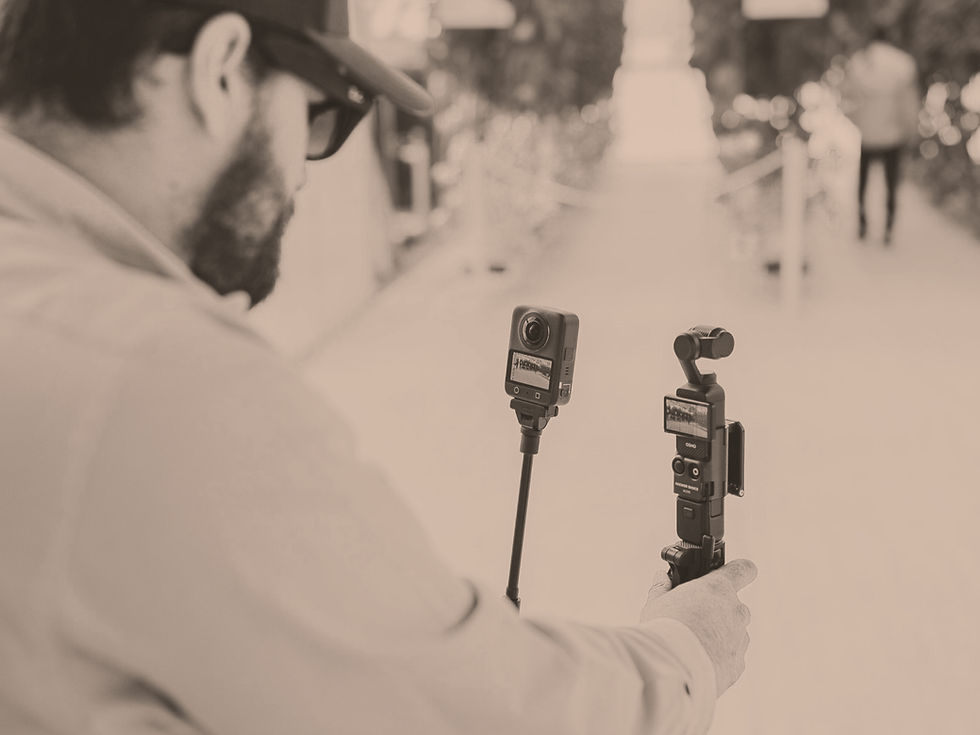
Why this question matters more than people expect
Encounters with police are rarely calm. They often involve traffic stops, arrests, or emotionally charged situations. People reach for their phones because they want accountability or protection.
Recording can preserve facts. It can capture tone, instructions, and details that later matter in court. But recording can also escalate an encounter if it is done in a way that interferes with lawful police duties.
By the time someone asks whether they were allowed to film, the situation has usually already resulted in a charge or citation. That is when the legal nuance becomes important.
Schedule a Free Call
No prep needed. Quick 10–15 minute call. We’ll help you understand your options.
What the law protects
The First Amendment protects the right to record public officials performing their duties in public spaces. Federal courts, including courts whose rulings apply in Ohio, have recognized that citizens may record police officers engaged in public functions.
If you are lawfully present in a public place in Columbus, you generally may record what you can see and hear.
Ohio is also a one party consent state for audio recording under Ohio Revised Code 2933.52. That means you can record a conversation if you are part of that conversation. You cannot secretly record private conversations between other people if you are not participating.
None of this protection eliminates laws against obstruction. Under Ohio Revised Code 2921.31, it is illegal to interfere with a public official performing a lawful duty.
That is where most cases turn.
Recording is protected. Interference is not.
How this plays out in real Columbus cases
In actual cases, the dispute is rarely about someone quietly standing on a sidewalk with a phone. The issue is distance, movement, and compliance.
If a person records from a reasonable distance and follows lawful safety instructions, there is usually no problem. If a person refuses to step back, inserts themselves into a traffic stop, or ignores repeated commands designed to manage the scene, the officer may view that conduct as obstruction.
Whether that charge holds up depends on whether the order was lawful and whether the person’s conduct actually hindered the investigation. Those are factual questions. They are reviewed later in court, not decided on the street. I have seen civilian recordings contradict written police reports. I have also seen situations where the act of recording became secondary because the person filming refused a lawful safety directive.
The analysis is rarely ideological. It is procedural.
Why this matters in criminal defense
Video evidence can be powerful. It can reveal lighting conditions during field sobriety testing. It can capture the exact words used during a stop. It can show whether commands were clear or confusing.
In OVI cases, independent recordings sometimes affect how probable cause or field sobriety compliance is evaluated. Those issues are addressed more broadly on the OVI Defense page.
But if recording results in an additional obstruction charge under Ohio Revised Code 2921.31, it changes the posture of the case. The defense strategy becomes more complex. The negotiation landscape shifts.
Recording can help. Escalation almost never does.
Can police order you to stop filming
Police cannot order someone to stop recording simply because they do not want to be recorded. That alone is not a lawful basis.
However, officers may give lawful safety instructions. They may establish a perimeter. They may direct someone to move back. They may control a scene for officer and public safety.
If a person refuses a lawful command, the legal issue becomes compliance, not recording.
Courts examine whether the officer’s order was lawful and whether the person’s conduct interfered with official duties. They do not decide these cases based on slogans or assumptions.
Where this fits within Columbus criminal cases
Disputes about recording often arise during traffic stops and arrests. That means they frequently intersect with broader criminal procedure issues discussed on the Criminal Defense Overview page.
When recording disputes arise in Franklin County cases, local practice and officer training matter. That context is discussed further on the Columbus Criminal Defense Attorney page.
Recording is about preserving information. It does not replace legal analysis.
The practical takeaway
Yes, you can film police in Columbus if you are in a public place and you are not interfering with their lawful duties. Record calmly. Keep distance.
Follow lawful safety instructions. The right to record exists. So does the prohibition against obstruction. Understanding the difference protects both your rights and your case.
Talk Through Your Situation
If you’re dealing with something similar, we can walk through your situation and next steps.