Understanding Chemical Tests in Ohio DUI Cases

Updated: Apr 28
Direct Answer
Chemical tests in Ohio DUI Cases measure alcohol or drug levels through breath, blood, or urine. These tests are used as key evidence, but their reliability depends on how they are administered, maintained, and handled. Problems with testing procedures can affect how the case is evaluated and whether the results can be challenged.
In Ohio, DUI is the term most people use, but the legal charge is called OVI, which stands for Operating a Vehicle Impaired. For clarity, this article will use DUI.
What Ohio Law Actually Says
After a DUI arrest in Ohio, police can request a chemical test under the state’s implied consent law. By driving, you are considered to have agreed to testing if lawfully arrested.
However, that does not mean the results are automatically valid. The law requires that testing devices be properly maintained and that officers follow specific procedures when administering the test.
If those procedures are not followed, the results may be challenged or excluded.
To understand how a case reaches this stage, see Understanding DUI Traffic Stops and Probable Cause in Ohio, which explains how the stop and arrest are evaluated before testing occurs.
Schedule a Free Call
No prep needed. Quick 10–15 minute call. We’ll help you understand your options.
How Chemical Testing Actually Happens
In most DUI cases, testing occurs shortly after an arrest.
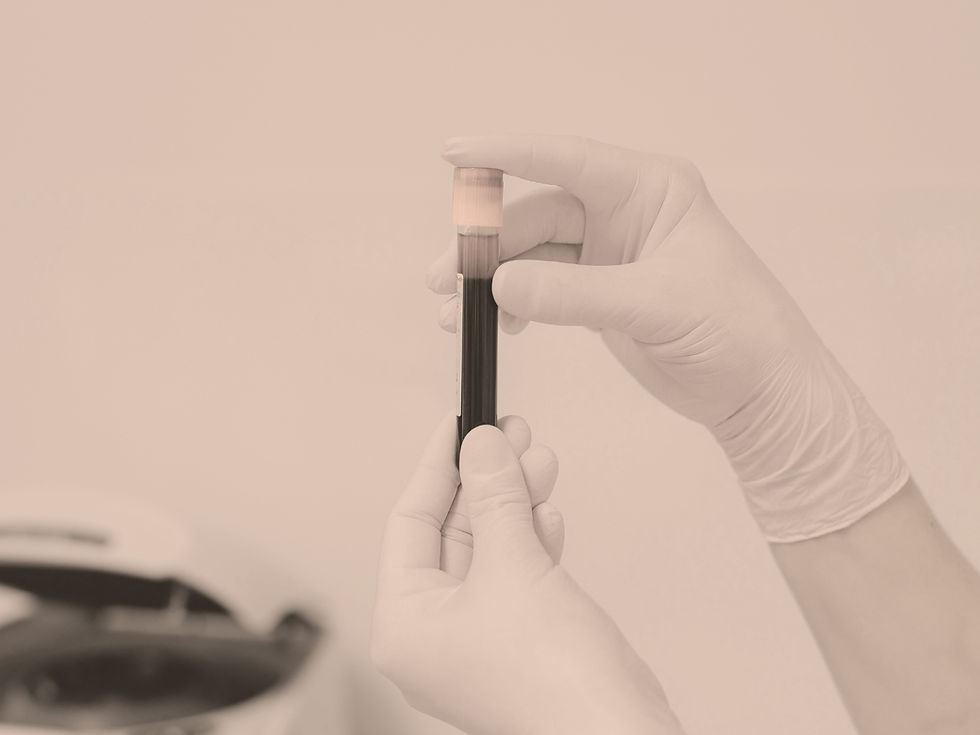
Breath tests are the most common and are typically administered at a police station using an approved device. Blood tests may be used in more serious cases or when drug impairment is suspected. Urine tests are less common but still used in certain situations.
Each type of test comes with its own issues.
Breath testing depends on machine calibration and proper administration. Blood testing depends on proper collection, storage, and handling. Any breakdown in these steps can affect the reliability of the results.
These issues are explored further in How Accurate Are Breathalyzer Tests in Ohio?, which explains how testing errors can affect a case.
Refusal and Consequences
Chemical testing is different from field sobriety testing. You can refuse a breath, blood, or urine test, but refusal carries consequences under Ohio law. This typically includes an immediate administrative license suspension. That consequence is separate from the criminal case. Refusal also changes how the case is built. Without test results, the case relies more heavily on observations and other evidence.
For a full explanation, see What Happens If You Refuse a Breathalyzer in Ohio?, which breaks down how refusal affects both your license and the case.
Why Chemical Tests Matter
Chemical test results are often the most direct form of evidence in a DUI case. A test result at or above the legal limit can support the charge even without extensive observations. At the same time, test results are not immune from challenge. Errors in administration, machine issues, and procedural mistakes can all affect how the results are treated.
That is why testing is often a central issue during pretrial, where the reliability of the evidence is evaluated. See What Happens at a DUI Pretrial in Ohio? for how these issues are addressed in court.
Where This Fits in an OVI Case
Chemical testing occurs after the traffic stop and arrest but before the case enters the court system. Once the case moves into arraignment and pretrial, the results become part of the evidence that is reviewed and challenged.
To understand how the case progresses after testing, see What Happens at a DUI Arraignment in Ohio? and What Happens at a DUI Pretrial in Ohio?, which explain how the case develops.
Takeaway
Chemical tests are a central part of DUI cases in Ohio, but they are not automatically reliable. Their value depends on how they are administered and whether procedures are followed.
Understanding how these tests work helps explain how DUI cases are evaluated and where they may be challenged.
Talk Through Your Situation
If you’re dealing with something similar, we can walk through your situation and next steps.